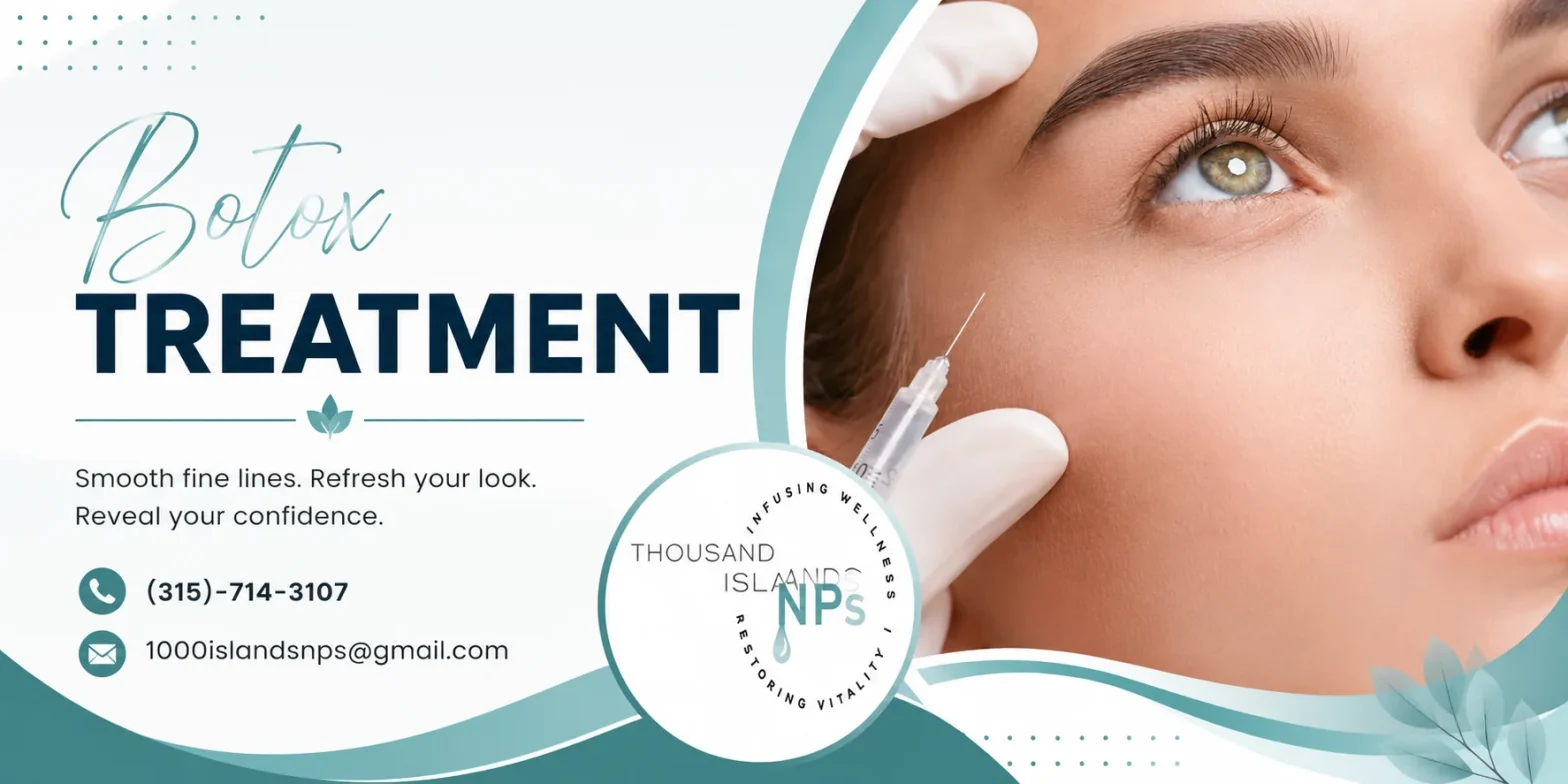
You’ve probably noticed it in photos before you noticed it in the mirror. A line across your forehead that wasn’t quite so defined last year. Crow’s feet that seem to linger even when you’re not smiling anymore. These are normal parts of aging — but that doesn’t mean you have to just accept them if they’re bothering you. Professional Botox treatments have become one of the most widely used cosmetic procedures in the world, and for good reason. When done well, the results are subtle, natural, and genuinely confidence-boosting. When done poorly, well — that’s where the frozen-face stereotype comes from. Understanding the difference matters before you decide whether this is right for you.
This article breaks down how Botox actually works, what it can and can’t do, and how to approach it in a way that keeps you looking like yourself — just a more rested, refreshed version.
How Professional Botox Treatments Actually Work on Fine Lines
Botox is the brand name for a purified form of botulinum toxin type A. Despite the intimidating-sounding name, it’s been used in medical and cosmetic settings for decades and has one of the most well-established safety records in aesthetic medicine. The mechanism is straightforward: it temporarily relaxes the small muscles responsible for repetitive facial movements — squinting, frowning, raising the brows — that, over time, etch lines into the skin above them.
The lines Botox addresses most effectively are called dynamic wrinkles. These are the ones caused by muscle movement, as opposed to static wrinkles, which are present even when your face is at rest. Dynamic wrinkles include forehead lines, the “11s” between the brows (technically called glabellar lines), and crow’s feet around the outer corners of the eyes. These are the areas where Botox consistently delivers the clearest results.
What it doesn’t do is fill volume, address deep folds caused by fat or tissue loss, or reverse skin damage from sun exposure. Those concerns involve different treatments entirely — dermal fillers for volume, laser or microneedling for texture. Botox is one tool in a broader aesthetic toolkit, and knowing which tool fits which problem is where the skill of the provider genuinely matters.
The Difference Between “Done” and “Natural”
This is the part most people worry about — and understandably so. The over-treated, expressionless look that’s become a kind of cultural shorthand for cosmetic excess is real. But it’s almost always a result of too much product, placed without enough attention to the individual’s anatomy and how their face actually moves.
A skilled injector doesn’t just follow a standard template. They watch how your face moves during consultation, identify which muscles are dominant, and work with your natural expressions rather than against them. The goal isn’t to eliminate movement — it’s to soften the lines that movement creates, while leaving enough natural motion that you still look like you.
Dosing plays a huge role here. More units don’t always mean better results. In fact, conservative dosing in the right spots often produces outcomes that look more natural and age-appropriate than heavier treatments. First-time patients especially tend to benefit from a lighter approach — you can always add more at a follow-up if you want more correction, but you can’t subtract once it’s in.
Placement precision matters just as much. The forehead, for example, is a nuanced area. Treating it too aggressively or without accounting for how it compensates for brow position can result in that heavy, low-brow look that reads as “overdone.” An experienced injector anticipates these dynamics and adjusts accordingly.
What to Expect Before, During, and After
The actual appointment is faster than most people expect. After a brief consultation to review your concerns and goals, the treatment itself typically takes fifteen to thirty minutes. A series of small injections are made with a very fine needle — most people describe the sensation as a mild pinch, and any discomfort fades almost immediately.
There’s no real downtime. You can go back to your normal routine the same day, with a few minor precautions: avoid lying flat for a few hours after treatment, skip intense exercise for the rest of the day, and don’t rub or massage the treated areas. These steps help ensure the product stays where it was placed.
Results don’t appear immediately. It typically takes three to five days to start noticing the softening effect, with full results visible around two weeks post-treatment. This is actually useful to know going in — if you have an event you’re preparing for, timing matters.
The effects last roughly three to four months for most people, though this varies based on individual metabolism, the area treated, and how active those muscles are. With consistent treatment over time, many patients find that results last a bit longer as the targeted muscles gradually become less active.
Preventive Botox: Is Starting Early Worth It?
There’s been growing interest in using Botox earlier — not to correct established lines, but to prevent them from forming in the first place. The logic is sound: if the muscle contractions that create dynamic wrinkles are softened before those lines become permanent, the skin doesn’t develop the deep creases it otherwise would over years of repetitive movement.
Whether this approach makes sense for you depends on your skin, your genetics, and your personal priorities. People with naturally very expressive faces, a family history of early wrinkling, or who spend significant time squinting in bright light may genuinely benefit from starting in their late twenties or early thirties. Others might find that waiting until lines are more established makes more practical sense.
It’s worth having this conversation honestly with whoever is treating you, rather than making the decision based purely on trends or social media influence. The right timing is personal, and a good provider will tell you if they think you’re not quite at the stage where treatment would be beneficial.
Pairing Botox with Other Skin Treatments
Botox works well alongside other non-surgical skin treatments, and many people use it as part of a broader approach to skin health. Microneedling, for instance, addresses the texture and tone concerns that Botox doesn’t touch — acne scars, rough patches, uneven pigmentation — by stimulating collagen production deeper in the skin. The two treatments complement each other nicely and can often be timed to work together as part of a seasonal routine.
Good skincare habits support and extend the benefits of any in-clinic treatment. Sun protection is probably the single most important factor in how quickly skin ages — consistent SPF use genuinely makes a difference over time. Staying hydrated, keeping skin moisturized, and avoiding smoking all contribute to how well treatments perform and how long results last.
Before layering multiple treatments, it’s worth speaking with a healthcare provider who can assess your skin, understand your goals, and recommend a realistic sequence. Combining things without a clear plan can sometimes produce unpredictable results, and a clinical perspective helps ensure you’re not overdoing it in one area while neglecting another.
Finding the Right Approach for Your Face
At the end of the day, the goal of any aesthetic treatment should be to help you feel more confident — not to chase a particular look or keep up with trends. Botox, when approached thoughtfully, is one of the more reliable and reversible ways to address the signs of aging that bother you most, without dramatically altering how you look.
If you’re considering it for the first time, start with a proper consultation, ask questions, and be honest about what you’re hoping to achieve. Good communication between you and your injector is the foundation of a result you’ll actually be happy with. Feel free to contact us to book your consultation and get a clear sense of what treatment could look like for your specific concerns.
At Thousand Islands NPs, facial aesthetic treatments — from Botox to microneedling — are delivered with a focus on natural results, patient comfort, and care that’s genuinely tailored to your face and your goals. Whether you’re addressing existing lines or thinking ahead, the approach here is always measured, personalized, and rooted in clinical expertise.